 East Lothian Kitchen Installation
Contemporary vs Traditional Kitchen Design in East Lothian
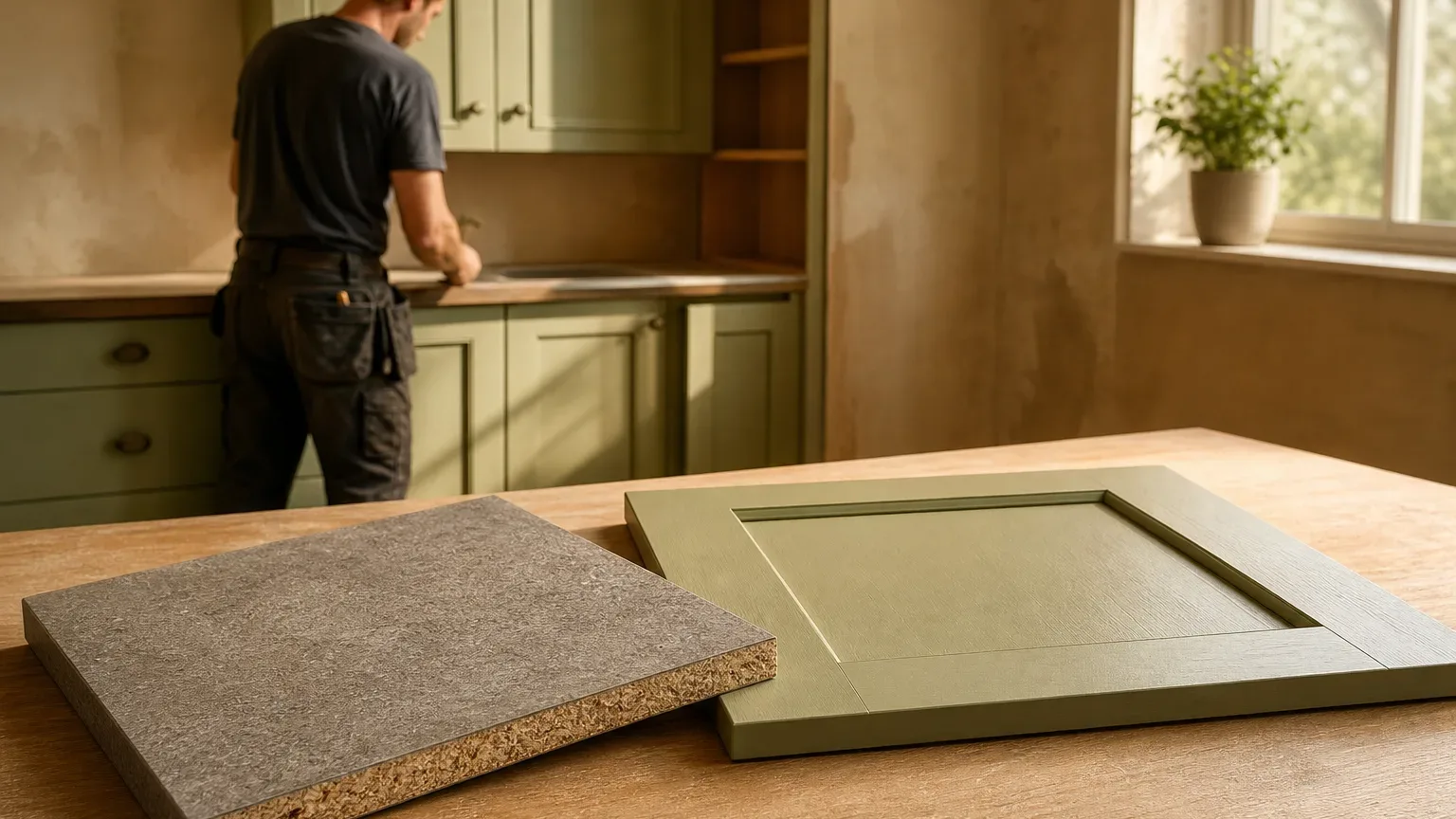
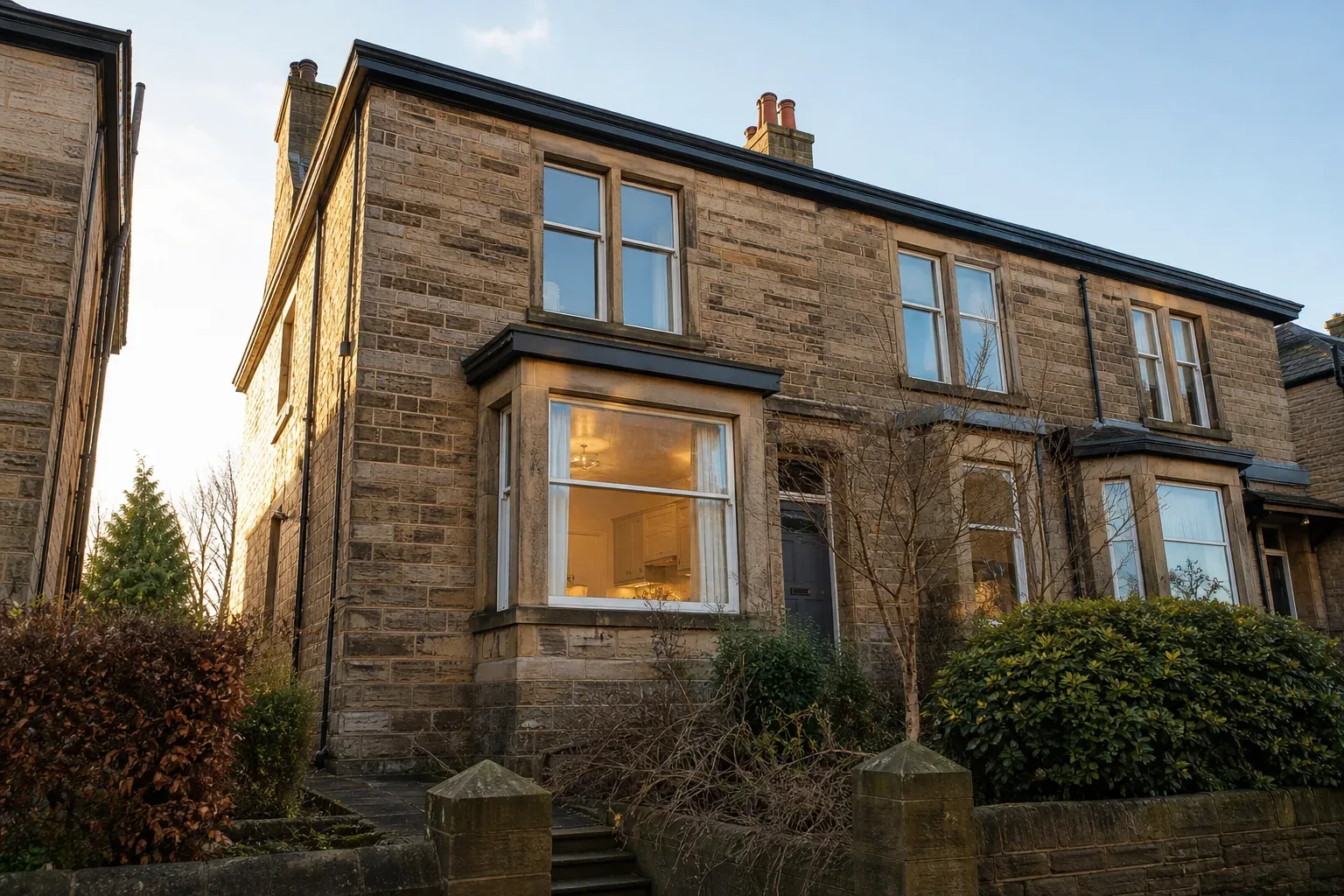
Two Very Different Starting Points
The kitchen you choose shapes how you cook, socialise, and experience your home every single day. East Lothian properties span a wide range, from Victorian terraces in Musselburgh and stone-built farmhouses near Haddington to modern new-builds along the coast at North Berwick. That variety means neither contemporary nor traditional design automatically suits every home, and the right choice depends on your property's character, your lifestyle, and your budget.
Contemporary kitchens prioritise clean geometry and minimal visual clutter. Traditional kitchens draw on crafted detail, painted timber, and a sense of permanence. Both styles are well served by suppliers and fitters working across East Lothian, but they involve different materials, different costs, and different long-term considerations.
What Is Contemporary Kitchen Design East Lothian Homeowners Are Choosing
Contemporary kitchen design in East Lothian follows the broader movement toward flat-fronted cabinetry, integrated appliances, and surfaces that read as one unbroken plane. Handle-less doors, often operated by push-to-open mechanisms or recessed rails, eliminate horizontal lines across the cabinet fronts. Worktops in engineered quartz or porcelain run continuously, including up the wall as a splashback, so the eye travels without interruption.
Colour palettes lean toward warm neutrals, deep greens, navy, and matte black, though stark white remains common. Lacquered or foil-wrapped doors in these tones give a durable, easy-clean finish. Matt textures have largely replaced high-gloss in current local projects, partly because they conceal fingerprints more effectively in busy family kitchens.
Materials and Finishes
Engineered quartz worktops, brands such as Silestone or Caesarstone, typically cost £300–£600 per linear metre installed. Sintered stone, sold under names like Dekton, sits toward the higher end but resists heat and UV better than quartz. Handleless cabinetry in a painted MDF or rigid thermofoil wrap starts around £8,000–£14,000 for a medium-sized kitchen fitted in East Lothian, depending on unit count and appliance specification.
Island units appear frequently in contemporary schemes, particularly in the open-plan extensions common in East Lothian coastal towns. A waterfall island, where the worktop material drops vertically down one or both sides, is a popular detail that adds material cost but creates a strong focal point.
What Traditional Kitchen Design Offers
Traditional kitchens rely on shaker-style or in-frame cabinetry, applied mouldings, and painted timber to create warmth and character. In-frame construction means the door sits within a visible frame on the cabinet carcass, the same way a classic piece of furniture is built. This costs more than standard frameless cabinetry but produces a noticeably more solid feel when you open and close doors.
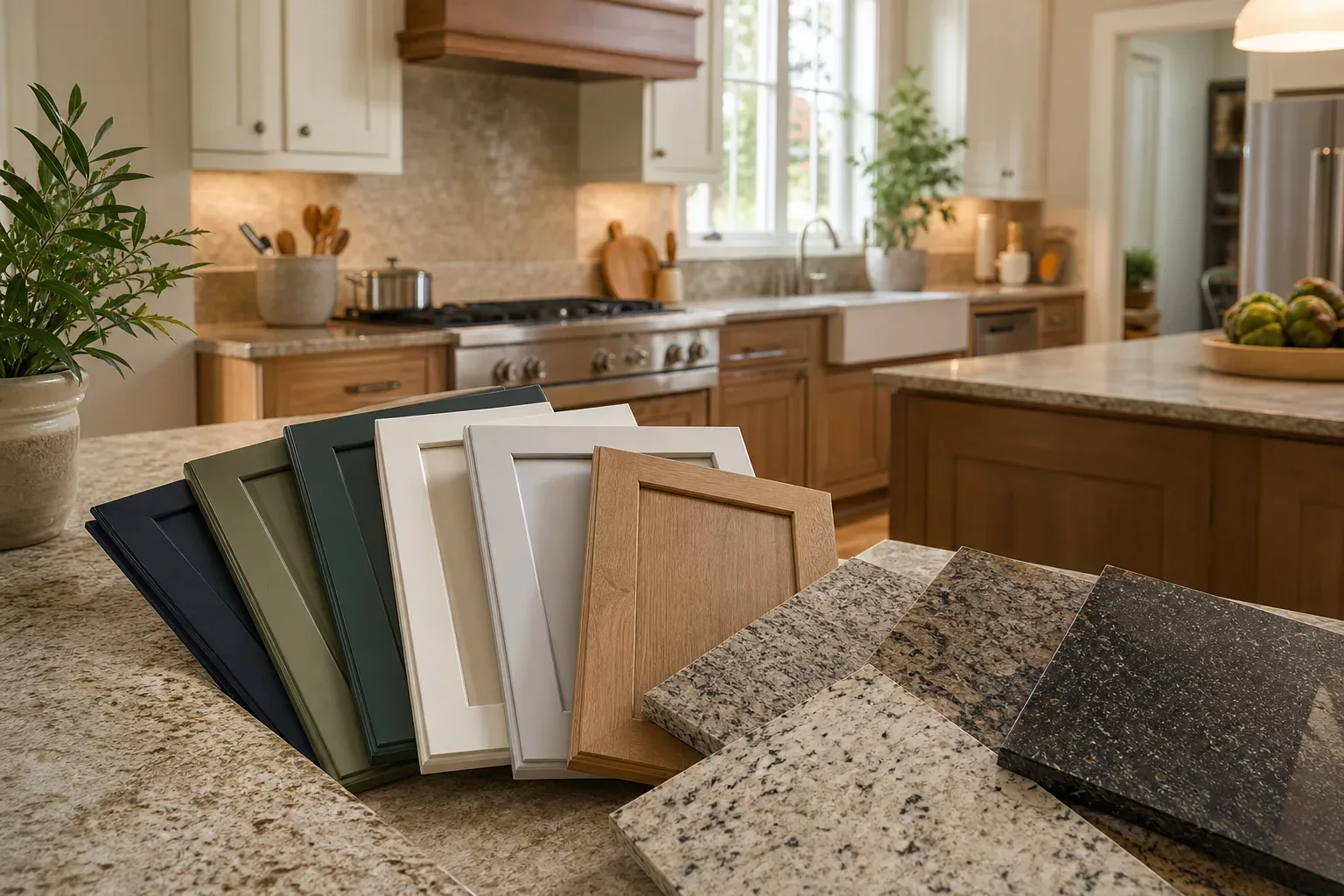
Painted finishes, often from ranges like Farrow and Ball or Little Greene, give traditional kitchens their distinctive softness. Hues such as Mizzle, Lamp Room Gray, or Purbeck Stone are chosen regularly by East Lothian homeowners wanting a colour that connects to the coastal and rural landscape outside. Aged brass or ceramic cup-pull hardware reinforces the hand-crafted quality that defines this style.
Worktops and Storage Details
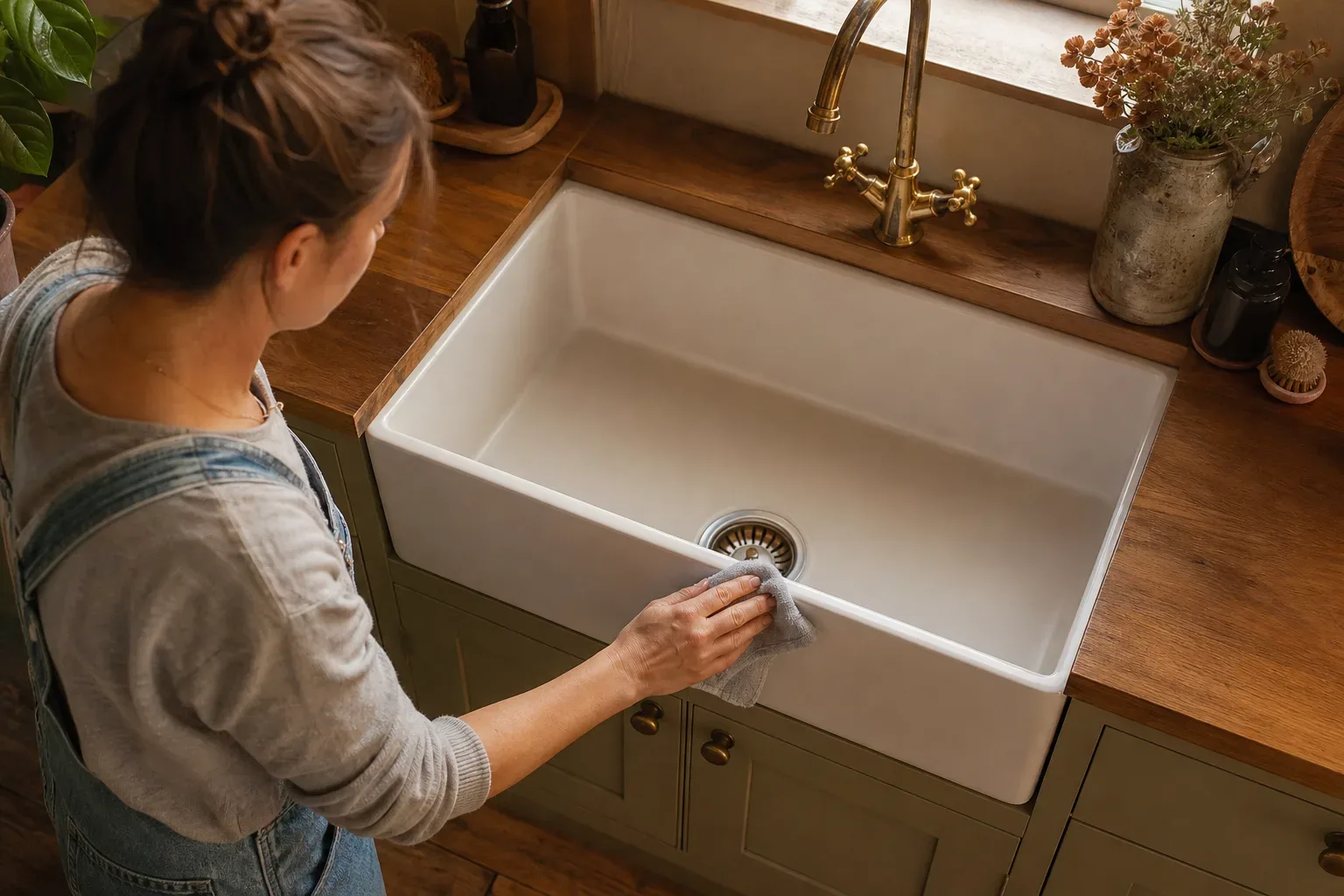
Solid timber worktops in oak or walnut suit a traditional aesthetic and cost £150–£300 per linear metre, though they require oiling two or three times a year. Granite remains a popular choice for durability and its natural variation, running from £200 to £500 per linear metre installed. Belfast sinks, either ceramic or fireclay, are almost a shorthand for traditional kitchen design and pair well with tall bridge-style mixer taps in brushed nickel or unlacquered brass.
Storage details matter as much as surface finishes in a traditional kitchen. Deep pan drawers, spice racks inside door panels, and plate racks above the sink contribute to the layered, functional character that makes these kitchens feel lived-in rather than designed for show.
Cost Comparison for East Lothian Projects
Budget ranges vary considerably based on the complexity of the layout, the quality of appliances, and whether structural work such as a wall removal or roof light is involved. As a rough guide for a mid-range fitted kitchen in East Lothian:
- Contemporary, standard spec: £10,000–£18,000 fitted
- Contemporary, premium spec (quartz, integrated appliances, island): £20,000–£35,000+
- Traditional, standard spec (shaker doors, granite, Belfast sink): £12,000–£20,000 fitted
- Traditional, premium spec (in-frame, hand-painted, bespoke larder): £25,000–£45,000+
In-frame cabinetry commands a premium because the construction is more time-intensive. Bespoke joinery from local cabinetmakers, several of whom operate across East Lothian and the wider Lothians area, can push costs higher still but produces kitchens that fit unusual spaces precisely.
Which Style Suits Your Property
Property type is a genuine guide here, not just a matter of personal taste. A stone farmhouse near East Linton with low ceilings and irregular walls will often fight against a fully contemporary scheme. The clean horizontal lines of handle-less cabinetry can amplify rather than minimise structural imperfections. A shaker or in-frame kitchen in a soft sage or off-white will tend to sit more naturally in that context.
Conversely, a 1980s or 1990s semi-detached in Tranent or Prestonpans, particularly one that has been extended, can be transformed by a contemporary layout. Open-plan designs benefit from the visual simplicity that contemporary kitchens provide, as there is less detail competing for attention across a large space.
New-builds in areas like Blindwells, the new settlement being developed east of Tranent, often have plan layouts designed specifically for open-plan contemporary kitchens. Buyers in those properties frequently find the contemporary route more efficient to specify and install.
Longevity and Resale Considerations
Both styles hold their appeal well if the quality of manufacture is high. The kitchens that date quickly are those that chase a trend using low-quality materials, not those that commit clearly to either a contemporary or traditional direction. High-gloss white cabinetry from the 2010s is a commonly cited example of a trend that felt modern at the time but aged poorly.
For resale purposes, a well-executed traditional kitchen in an older East Lothian property is rarely a liability. Buyers looking at stone-built homes near North Berwick or Dunbar often expect and prefer the warmth of a painted timber kitchen. In a modern property, a dated or poorly specified traditional kitchen can feel incongruous, whereas a contemporary scheme in good condition is broadly appealing.
Specifying a timeless version of whichever style you choose, restraint in colour, quality in hardware, and proper installation, will serve you better than following the exact trend of the moment.
Frequently Asked Questions
What Defines Contemporary Kitchen Design?
Contemporary kitchen design is defined by flat-fronted or handle-less cabinetry, integrated appliances, and unbroken surface planes that minimise visual clutter. Materials such as engineered quartz or sintered stone worktops, lacquered or foil-wrapped doors in muted tones, and open-plan layouts are hallmarks of the style. The emphasis is on geometry and function rather than decorative detail.
How Much Does a Contemporary Kitchen Cost in East Lothian?
A mid-range contemporary kitchen fitted in East Lothian typically costs £10,000–£18,000 at standard specification. A premium version with quartz worktops, fully integrated appliances, and an island unit can reach £20,000–£35,000 or more, depending on the size of the room and the complexity of any structural work involved.
Is a Traditional or Contemporary Kitchen Better for an Older East Lothian Property?
Traditional shaker or in-frame kitchens tend to suit older East Lothian properties better, particularly stone-built houses with period features and irregular proportions. The decorative detail and painted timber of a traditional kitchen complement rather than conflict with original architecture. Contemporary designs work best in newer builds or significantly extended homes where open-plan spaces are involved.
What Worktop Materials Are Most Popular in East Lothian Kitchens?
Engineered quartz is the most widely specified worktop in contemporary East Lothian kitchens, running £300–£600 per linear metre installed. Granite remains popular in traditional schemes for its durability and natural variation, costing £200–£500 per linear metre. Solid timber in oak or walnut suits a traditional aesthetic and is available from £150 per linear metre, though it requires regular maintenance.
Will a Contemporary Kitchen Add Value to My East Lothian Home?
A well-specified contemporary kitchen can add value, particularly in modern or extended properties where buyers expect open-plan living. The key factor is quality of materials and installation rather than style alone. Kitchens that follow a clear design direction using durable finishes hold their appeal better than those that chase short-lived trends with lower-quality components.